
Smart Cities
Ahnakot: an integrated urban-development vision
Ahnakot is the framework through which Bilderberg Investment plans cities and districts — one system of land, movement, utilities, food, services and employment, phased over decades.

Most urban failure is a coordination failure. Housing arrives without transport, industry without utilities, tourism without water, population without healthcare. The Ahnakot vision starts from the opposite premise: a settlement is a single system, and the components must be planned together, sequenced together and financed against a realistic delivery programme.
Ahnakot is not a single site. It is a planning framework applied to specific locations, each with its own land conditions, environmental constraints, legal setting and community. Every Ahnakot project is therefore published with its own status, and progresses only through independent feasibility work, land verification, regulatory and government approval, environmental assessment, definitive agreements and confirmed financing.
Framework
What an Ahnakot plan covers
Fourteen interdependent components, assessed together at every stage of planning.
Sustainable urban development
Density, land use and public space planned for long-term liveability.
Smart infrastructure
Networks and systems specified to be measurable, maintainable and upgradeable.
Housing
A mix of affordable and market housing planned alongside employment.
Transportation
Movement planned before buildings: streets, transit and freight access.
Energy systems
Renewable generation with conventional capacity for reliability.
Water and utilities
Water supply, drainage, sanitation and waste as a single utility backbone.
Agriculture and food production
Food production designed into the plan, not displaced by it.
Healthcare
Primary and referral healthcare capacity phased with population.
Education
Schools, vocational training and skills capacity from the first phase.
Tourism
Visitor economy planned within environmental and cultural limits.
Commercial districts
Districts intended to support enterprise, trade and employment.
Technology and digital connectivity
Connectivity treated as essential infrastructure.
Environmental protection
Ecological constraints set before development boundaries.
Employment and local participation
Local employment, training and enterprise participation as design criteria.
Ecosystem
How the components connect
Each Ahnakot plan places the settlement at the centre and treats every supporting system as part of the same programme.
Process
From vision to implementation
The stages through which an Ahnakot concept must pass before it becomes a delivered project.
- 01
Vision and concept
- 02
Preliminary assessment
- 03
Feasibility studies
- 04
Government and regulatory review
- 05
Land and environmental verification
- 06
Partnership and financing structure
- 07
Definitive agreements
- 08
Phased implementation
A project's appearance in this process does not prove that every stage has been completed. Each project's published status reflects the stage it has reached.
Locations
Where Ahnakot projects are proposed
Project locations are shown separately from corporate offices.
Office locations indicate corporate presence only and do not indicate project activity in that jurisdiction. Project locations refer to development concepts and proposals, not approved or funded works.
Projects
Ahnakot smart city projects
Each project below is at concept or proposal stage. None is approved, funded or under construction.
Representative image
Cambodia
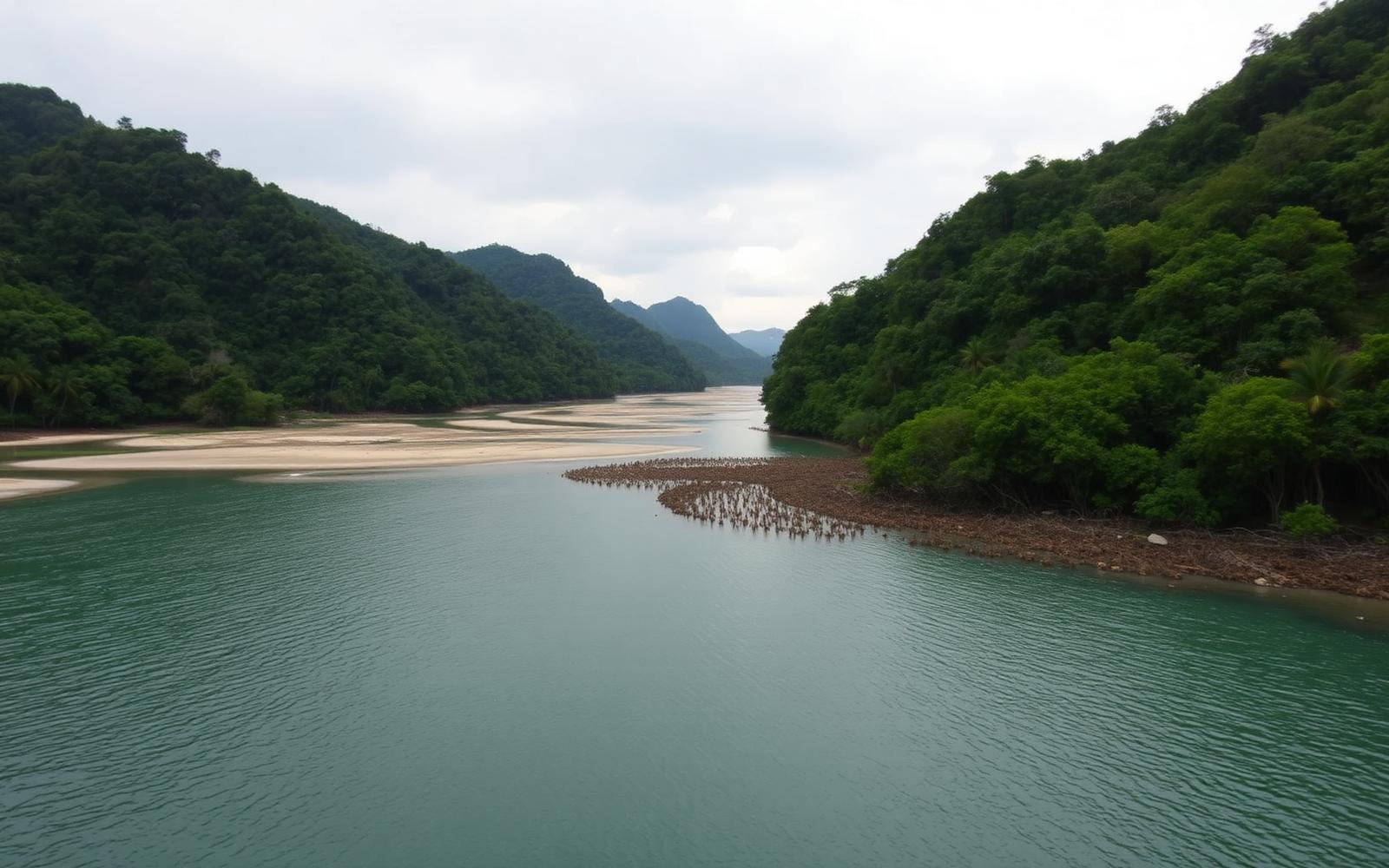
Ahnakot Smart City Koh Kong
A coastal smart-city concept for Koh Kong province, structured around integrated housing, utilities, tourism and environmental protection.

Representative image
Papua New Guinea
Ahnakot Smart City Papua New Guinea
A large-scale master-plan concept for an integrated city in Papua New Guinea, organised into specialised districts for housing, food production, industry and civic life.

Representative image
Albania
Ahnakot Albania Master Plan
A proposed multi-sector development framework for Albania spanning tourism, energy and mining, agriculture and food processing, real estate and business services.
Representative image
Cambodia
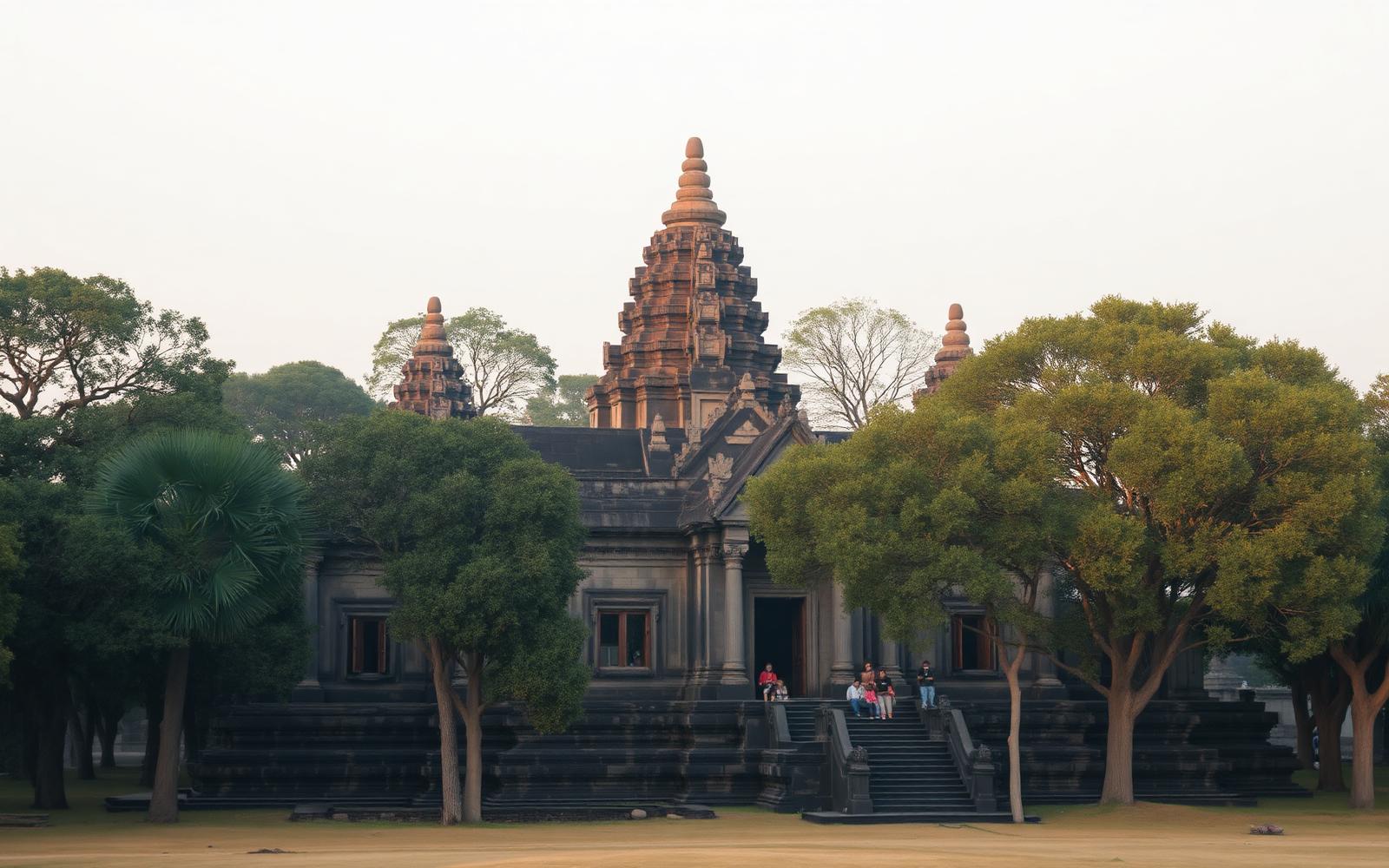
Ahnakot Park History and Future District
A cultural and hospitality district concept combining heritage-inspired architecture, a landscaped religion park and contemporary tourism facilities.